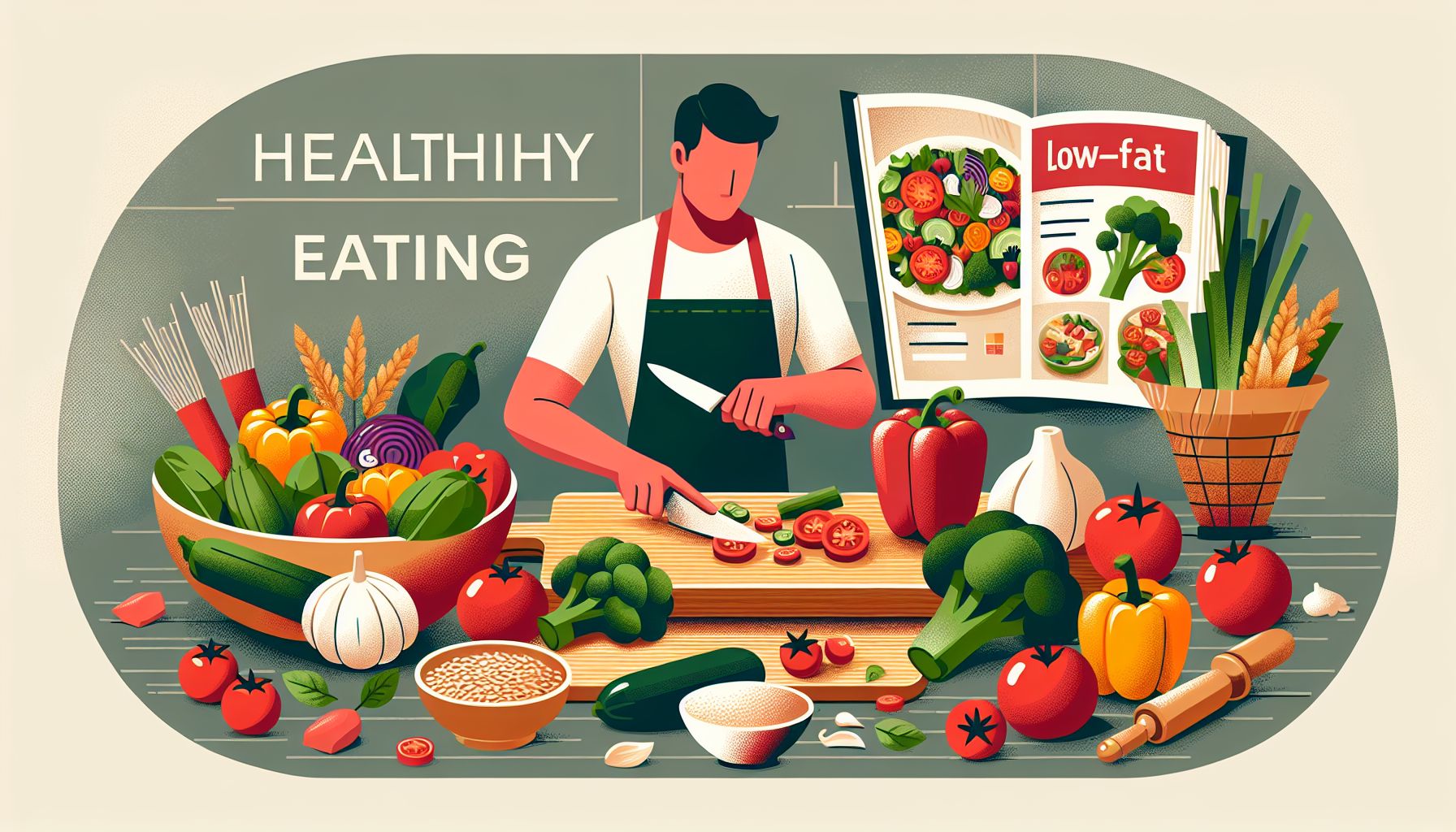
Healthy Eating: How to Prepare Low-Fat Meals for a Healthier You
When it comes to improving our health, one of the most important factors to consider is our diet. Making conscious choices about the foods we eat can have a significant impact on our overall well-being. For many people looking to lose weight or simply take better care of their bodies, opting for low-fat meals is a smart choice. Not only can this help with weight management, but it can also reduce the risk of various health issues such as heart disease and diabetes.
Preparing low-fat meals doesn’t have to be complicated or boring. With a little creativity and some know-how, you can whip up delicious and nutritious dishes that will leave you feeling satisfied and energized. Here are some tips to help you get started:
Choose lean proteins
When it comes to cutting down on fat, one of the first things to consider is your protein intake. Opt for lean sources of protein such as skinless poultry, fish, tofu, and legumes. These options are not only lower in fat but also packed with essential nutrients to keep you feeling full and satisfied.
Load up on fruits and vegetables
Fruits and vegetables should make up a significant portion of your low-fat meals. Not only are they naturally low in fat, but they are also full of vitamins, minerals, and antioxidants that are essential for overall health. Get creative with your produce choices and try new recipes to keep things interesting.
Use healthy cooking methods
How you cook your food can also make a big difference in its fat content. Opt for cooking methods such as baking, grilling, steaming, or sautéing with minimal oil instead of deep-frying or pan-frying. These techniques can help you cut down on unnecessary fat while still locking in flavor.
Be mindful of portion sizes
While choosing low-fat ingredients is important, it’s also crucial to pay attention to portion sizes. Eating too much of even the healthiest foods can lead to weight gain. Use measuring cups and scales to portion out your meals properly and avoid overeating.
Experiment with herbs and spices
One common misconception about low-fat meals is that they have to be bland and boring. However, by experimenting with herbs and spices, you can add tons of flavor without the added fat. Try using fresh herbs, garlic, ginger, and citrus zest to enhance the taste of your dishes.
Plan ahead and prep your meals
To make sticking to a low-fat diet easier, consider planning your meals ahead of time and prepping ingredients in advance. This can help you stay on track and avoid reaching for unhealthy options when you’re short on time or energy.
In conclusion, preparing low-fat meals doesn’t have to be a daunting task. By making smart choices about the foods you eat and being mindful of portion sizes, you can create delicious and nutritious meals that will support your health goals. Remember, taking care of your body is a journey, so be patient with yourself and enjoy the process of trying new recipes and flavors. Your body will thank you for it in the long run.