The Growing Demand for Durable Decorative Materials in Commercial Spaces
Australia’s commercial environments are rapidly changing, and it has become increasingly important for companies to consider interior design that is aesthetically pleasing but will also withstand time. From retail outlets to office buildings, and even hospitality spaces, the demand for materials that mix style with durability is starting to matter more and more.
You can really see it in the higher foot traffic, the expectations around brand image, and the constant pressure to keep maintenance costs effective. Because of that, Bord now stocks Formica products and companies making similar decisions are getting a lot of notice for their dependability and design flexibility, and it all feels pretty connected, in a way.
Changing Expectations in Commercial Design
Modern commercial spaces are no longer just functional zones. They can be seen as extensions of a brand’s identity, really. For today’s designers and business owners, finishes are a key concern because they must be both durable and visually striking. The materials used for design should not only be resistant to scratching, staining, and contact with water but also should not lose their aesthetic appeal.
Durable decorative surfaces are becoming essential in places like cafés, corporate offices and healthcare facilities. There’s also more attention on lifecycle costs, so businesses are more inclined to choose materials that need replacement less often.
Why Durability Matters More Than Ever
Areas that get high foot traffic need materials that can withstand that kind of pressure. With constant use, repeated cleaning, and all that environmental exposure, even decent finishes can start to break down fast. That’s basically where advanced laminates and those engineered products come in; they do the heavy lifting.
Businesses are now focusing on materials that offer:
- Resistance to impact and abrasion
- Easy cleaning and low maintenance
- Long term aesthetic consistency
- Cost efficiency over time
Blending Aesthetics with Performance
One of the biggest trends in commercial interiors is how durability kind of blends into the design, not just sits next to it. Back then, sturdy materials tended to be a little blunt visually, you know. Today, though, with newer manufacturing techniques, things have shifted in a way that feels cleaner.
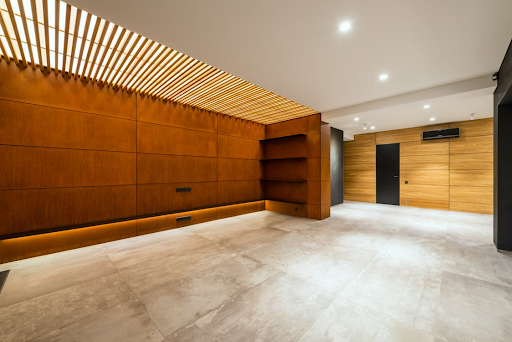
Decorative laminates now show up with a broad mix of textures, colours, and surfaces that can closely resemble natural things like wood or stone. For this reason, it is possible for designers to go for something more elegant without losing any performance. And honestly, the fact that these flexible materials are available everywhere has helped drive the demand up quite a lot.
Applications Across Commercial Sectors
Durable decorative materials are being used across a variety of industries. There are certain places where only high-pressure resistant materials will work.
Key areas where they are widely used include:
- Retail counters and display units
- Office workstations and partitions
- Restaurant tables and wall panels
- Healthcare and educational furniture
Sustainability and Long Term Value
Sustainability is also influencing which materials get picked in Australia. Businesses are now more aware of their ecological footprint, and they’re choosing materials that support long-term efficiency, even if it’s not always obvious at first. Durable items reduce waste because they have increased longevity and thus require fewer replacements, which may seem very basic but is of great importance.
Also, a lot of modern decorative materials are produced with more environmentally responsible processes. That matches up with green building practices, and it helps businesses reach sustainability targets without having to compromise on quality or the overall design look.
The Future of Commercial Interiors
As commercial spaces keep changing, the request for materials that bring both durability and real visual appeal is going to keep growing. Designers and builders are always hunting for ideas that make upkeep simpler while still boosting the overall look of a space.
With progress in surface technology, the range of what’s possible is expected to get broader, so companies will have more options than ever before. In this evolving environment, dependable solutions will keep helping shape today’s commercial interiors.
All in All
In conclusion, the growing need for durable decorative materials kinda mirrors a wider move towards smarter yet more sustainable design in commercial spaces. Many businesses are starting to realise just how valuable it can be to invest in materials that provide longevity and consistent appearance, despite the fact that wear and tear are truly present. With trusted options, Australian commercial environments can end up finding that sweet balance between durability, style, and efficiency.