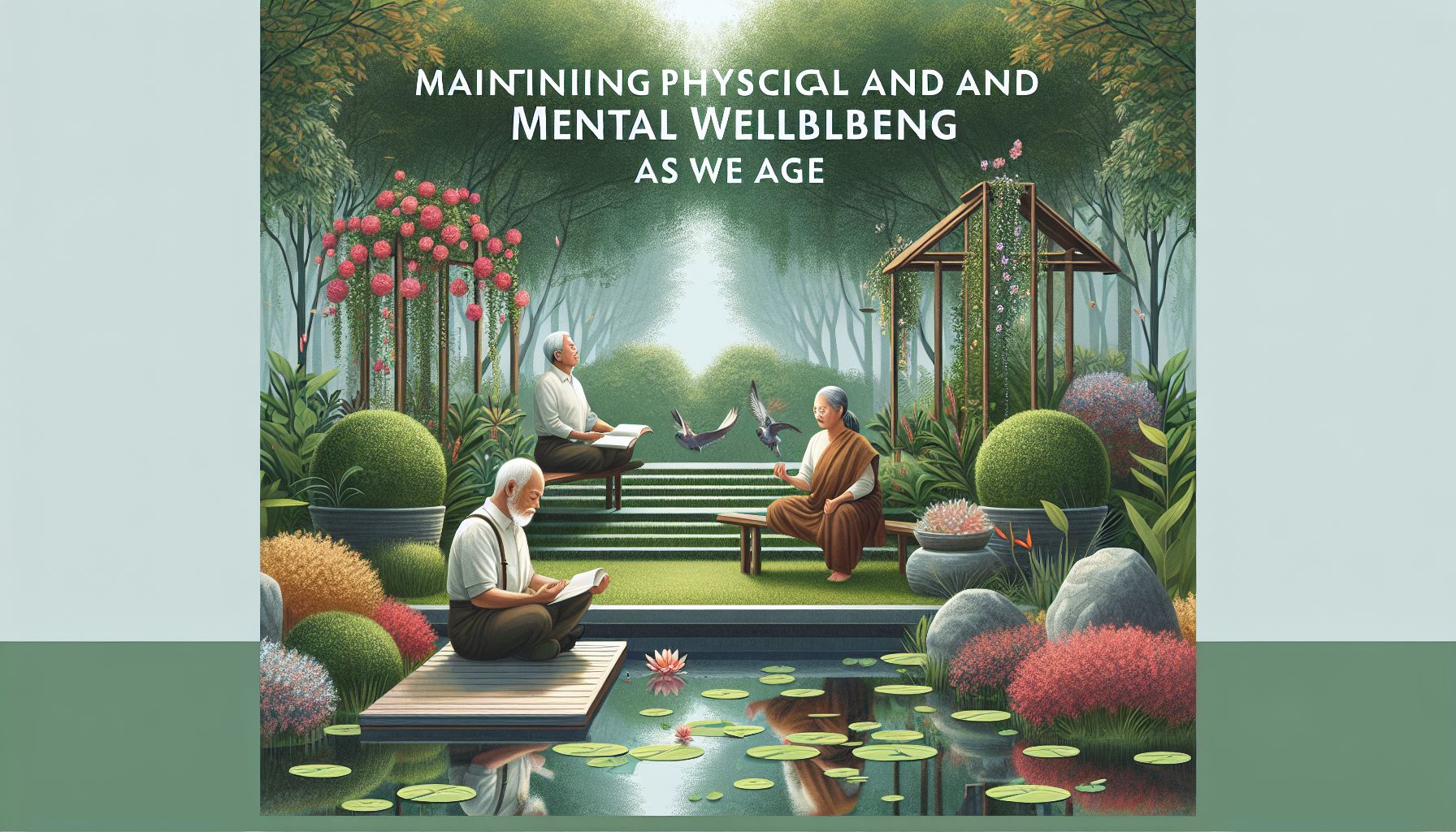
Maintaining Physical And Mental Wellbeing as we Age – A Comprehensive Guide
As we venture into the golden years of our lives, taking utmost care of our physical health and mind becomes more critical than ever. It is a well-established fact that with age, our bodies undergo significant changes, some of which may predispose us to chronic diseases and mental health issues. Therefore, it becomes imperative to direct our efforts toward maintaining our overall wellbeing and health as we age.
Understanding the Importance of Physical Health
Physical health is a crucial aspect for the elderly as it influences their ability to remain independent, perform daily activities and, most importantly, ward off diseases. One of the key aspects of staying healthy is maintaining a balanced diet. Our nutritional needs evolve as we age, often requiring a higher intake of nutrients like calcium, Vitamin D, and B12. Enriching our diet with whole grains, lean proteins, fruits, and vegetables ensures that we are well equipped with essential nutrients.
However, a balanced diet alone isn’t adequate. Regular exercise complements a healthy diet. Exercise can reduce the risk of chronic diseases such as heart disease, diabetes, and some cancers. It can also help maintain healthy bones, muscles, and joints. Moderate aerobic activities, such as brisk walking or swimming, combined with resistance or strength training workouts, are beneficial for older adults. However, it’s essential to get your doctor’s clearance before starting any new exercise.
Taking Care of Your Mind
As important as our physical health is, we must not overlook our mental wellbeing. Our mental health significantly influences our quality of life and general health in our later years. Engaging in activities that keep the mind active can mitigate age-associated cognitive decline. These activities could include puzzles, reading, writing, or playing a musical instrument.
In addition, social interactions stand as an indispensable aspect of maintaining mental health. It’s common for older adults to feel isolated or lonely, which can lead to mental health issues such as depression or anxiety. By staying socially active and maintaining close relationships with friends and family, we can ensure we have a support network in place.
Similarly, techniques such as Mindfulness and meditation demonstrate a considerable positive influence on mental health. These techniques strengthen the mind-body connection and can reduce the incidence of stress-related disorders. They assist in training the mind to stay calm and centered even in the face of adversity.
Regular Check-ups
Regular check-ups and assessments should be a priority, as they can facilitate early detection of potential health issues. Periodic screenings for blood pressure, cholesterol levels, diabetes, and certain types of cancer can enable timely intervention and treatment.
Healthy Sleep Patterns
An often-overlooked aspect of health and wellbeing is sleep. Quality sleep is as essential as proper nutrition and regular exercise. It helps rejuvenate the body and mind, bolster immune function, and improve memory and cognition. Adopting a consistent sleep schedule and limiting daytime naps can help promote a better sleep pattern.
Conclusion
In conclusion, the senior years should not be seen as a period of inevitable decline, but rather as an opportunity to optimize health and enjoy life. By striking a balance between physical activities, mental exercises, nutritious food, regular check-ups and healthy sleep, we can help ensure our health and wellness as we age. After all, age is just a number, and it’s never too late to begin taking better care of your health and mind.