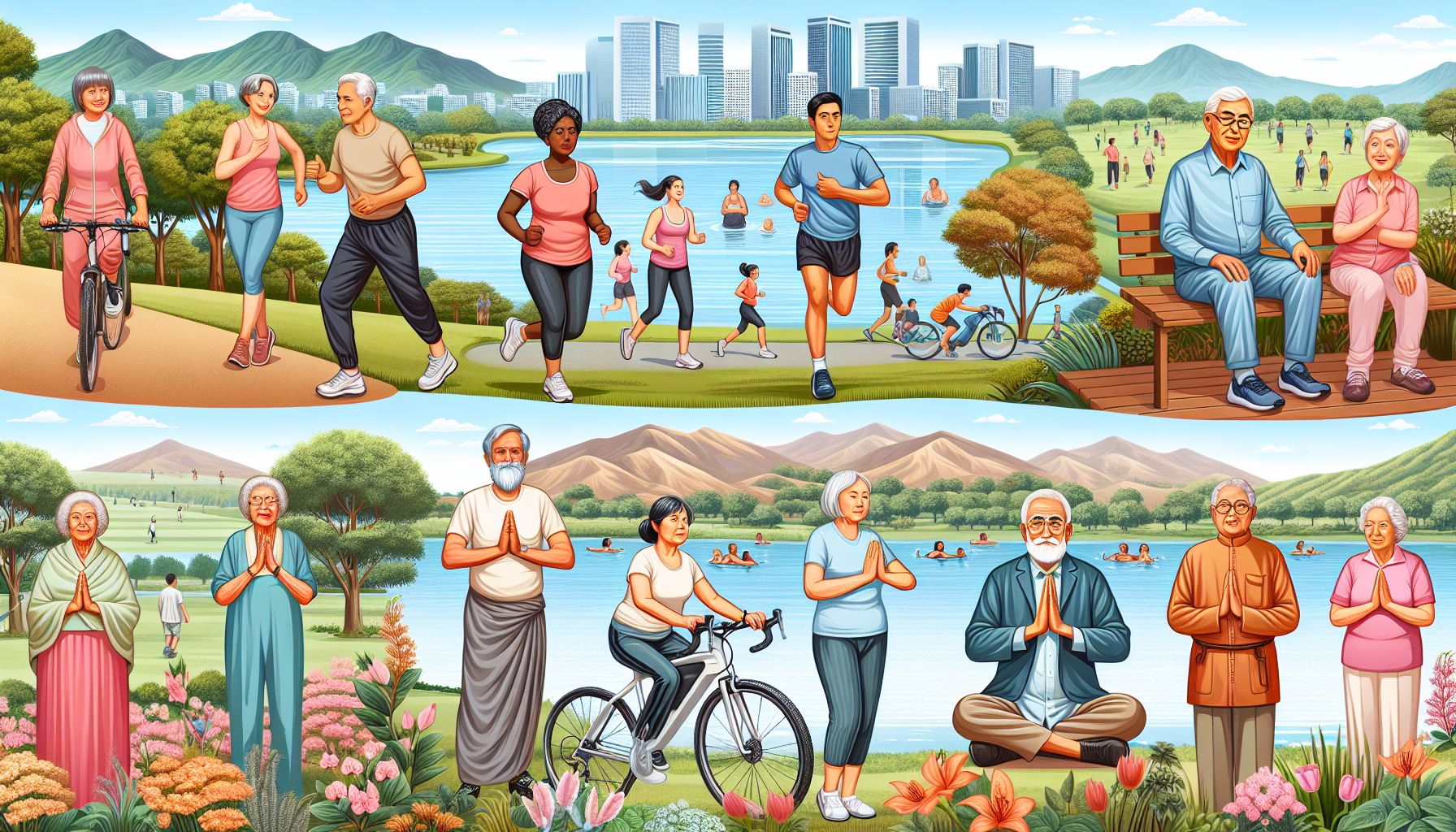
#**Promoting Healthy Living: An Imperative for Our Elderly Generation**
When it comes to taking care of our bodies and prioritizing healthy living, the conversation never seems to lose its relevance regardless of age. But when it comes to the aging population, the subject assumes a heightened importance due to inevitable progressive physiological changes associated with old age. According to the World Health Organization’s 2018 report, the world’s elderly population, those over 60 years old, is expected to double by 2050. With life expectancies increasing, it is incumbent upon us to ensure that these years are not just about survival, but about living them healthily with increased vitality.
Understanding the Importance
Healthy living for the elderly goes to the core of understanding that our bodies are the singular homes we possess, that no level of wealth can replace or repair completely if we err in taking care of them. Despite being universal, the aging process is unique to each individual. Several factors dictate how we age, such as genetics, environmental influences, lifestyle choices including diet, exercise, stress management, and preventative healthcare. These considerations become crucial as we age as they can significantly influence the quality of life during the later years.
Daily physical activity, maintaining an optimal body weight, saying no to smoking, limiting alcohol consumption, and nurturing social connections are some facets that deserve attention when we speak of healthy living initiatives. By embracing these, not only can one promote an enhanced quality of life, but also avert or manage chronic health conditions such as heart disease, diabetes, certain types of cancers, and mental health disorders.
Practical Steps to Healthy Living for the Elderly
-
Physical exercise: The National Institute on Aging recommends at least 150 minutes of moderate-intensity aerobic activity per week. But it doesn’t have to be a monotonous gym routine. Incorporating activities that they love, such as walking in the park, gardening, swimming, or dancing, can make the ordeal enjoyable while reaping the health benefits.
-
Balanced diet: As metabolism slows down with age, paying heed to nutritional requirements becomes paramount. A diet rich in fruits, vegetables, lean proteins, and whole grains, all supplemented with ample hydration, can help the elderly maintain optimum health.
-
Preventive healthcare: Regular health check-ups, screenings, vaccinations, and prompt administration of prescribed medications play a critical role in maintaining health.
-
Mental wellbeing: Engaging in social activity, making time for hobbies, or learning new skills can play a vital role in keeping the mind agile, staving off feelings of loneliness, and contributing to overall well-being.
-
Quit smoking: The advent of old age can never be too late to quit smoking. The risk of heart disease and stroke drops significantly within the first year of quitting.
-
Limit alcohol: Moderate alcohol consumption has been linked to several health problems in the elderly. It’s always a good idea to discuss alcohol usage with a healthcare provider.
A Conclusion to Ponder
When we speak of healthy living for the elderly, it takes us beyond the perfunctory discussions on health. It forces us to confront the stigmas associated with aging, the myths that suggest a decline in health is an inevitable part of growing old, and the stereotypes that marginalize and overlook our older population. It pushes us to rethink our perspectives and reimagine what it means to grow old.
Healthy living in the golden years isn’t just about adding years to life; it’s about adding life to years. Every additional year should bring with it the promise of health, hope, and a fulfilling life made possible by catering to our bodies’ needs with perseverance. After all, age is but a number. Only when we honor our bodies can we truly appreciate the wisdom that unfolds with aging, transitioning not just towards old age, but towards an age well-lived.