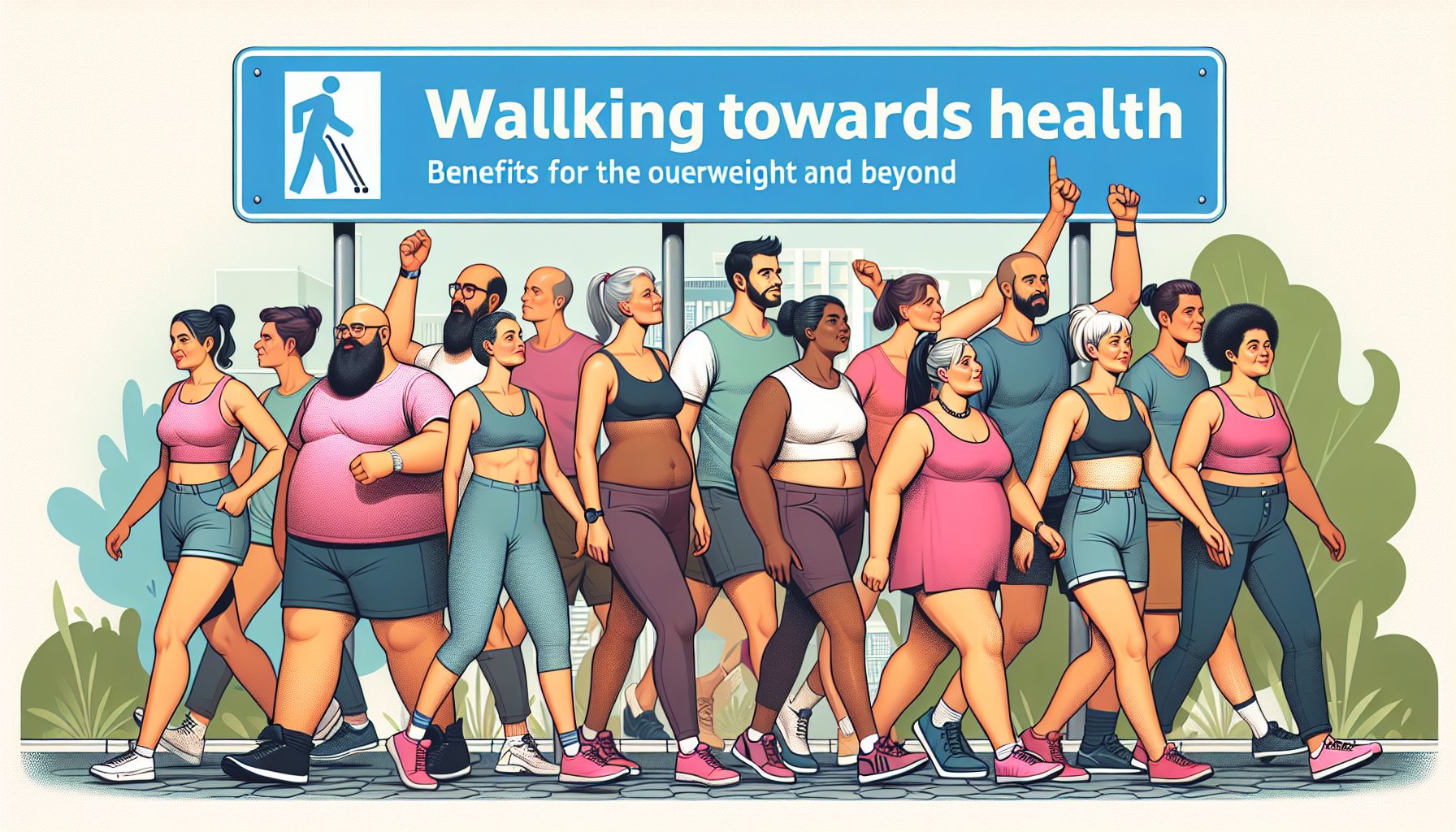
Walking Towards Health: Benefits for the Overweight and Beyond
Walking may seem simple, but it holds incredible power – especially for individuals who are overweight. As a low-impact, accessible, and versatile form of exercise, walking can play a critical role in fostering healthier lifestyles and promoting significant weight loss. Just as important, it can also foster healthier relationships with your own body, food, and those around you. In this article, we delve deeper into the benefits of walking for overweight people, integrating healthier eating habits and relationships along the way.
Walking Your Way to Weight Loss
Walking may seem gentle, but don’t be fooled – even at a moderate pace, it can be a calorie-torching exercise. Depending on your weight, you can burn between 90-350 calories in a 30-minute walk. These calories add up over time, contributing significantly to weight loss.
When consistent, walking helps overweight individuals build endurance, gradually increasing their capacity for more extended and intense workouts. This natural progression into increased physical activity can help avoid injuries that often occur when those who are overweight plunge into strenuous exercise regimes suddenly.
As you cultivate a habit of walking, also consider integrating healthier eating habits into your daily life. Replacing processed snacks with fresh fruits, or having a balanced meal post-walk, can help achieve better results. Remember, a well-balanced diet fuels your walks, allowing you to push further and enjoy your exercise sessions more.
Walking Promotes Full Body Wellness
Weight loss is not the only benefit that regular walking brings. With every step, you are enhancing your overall health. Research has shown that brisk walking can help reduce the risk of chronic diseases such as heart disease, stroke, and type 2 diabetes. For those who are overweight, these risks can be significantly higher, making walking even more beneficial.
Walking also improves joint health, essential for those carrying extra weight. It helps strengthen the bones and muscles, which in turn smoothens your mobility, reducing the risk of osteoporosis.
In addition to improving physical health, managing a regular walking routine instills a sense of discipline, which can translate to better eating habits. Discipline can help you resist unhealthy food temptations, making room for nutritious alternatives.
Building an Affectionate Relationship with Your Body
Walking provides an opportunity for self-reflection and inspires a healthier relationship with your body. This relationship is crucial for individuals who are overweight, many of whom may struggle with body positivity.
Walking aids in improved self-esteem. By marking and celebrating the small milestones on your weight loss journey, like walking a little bit faster or longer each day, you learn to appreciate what your body is capable of. This positive outlook can be incredibly motivating, and make your weight loss journey more enjoyable rather than a burdensome chore.
Moreover, walking with friends or family members fosters healthier social relationships. It can be encouraging to have someone share your journey, provide support, and celebrate your accomplishments together.
Conclusion: Taking Steps towards a Healthier You
While walking might seem an insignificant step to some, for overweight individuals, it can be a life-changer. It provides a simple yet effective way to kickstart a healthier lifestyle, promoting weight loss, reducing the risk of chronic diseases, and enhancing overall wellness. Perhaps more importantly, it encourages healthier relationships – with food, with your body, and with other people.
However, remember that it’s not about the speed but the consistency. Incorporating healthier foods into your diet and ensuring to walk regularly – regardless of the distance or pace, can lead to significant benefits over time. So, tie up those laces and step out – your journey towards a healthier life is just a walk away.