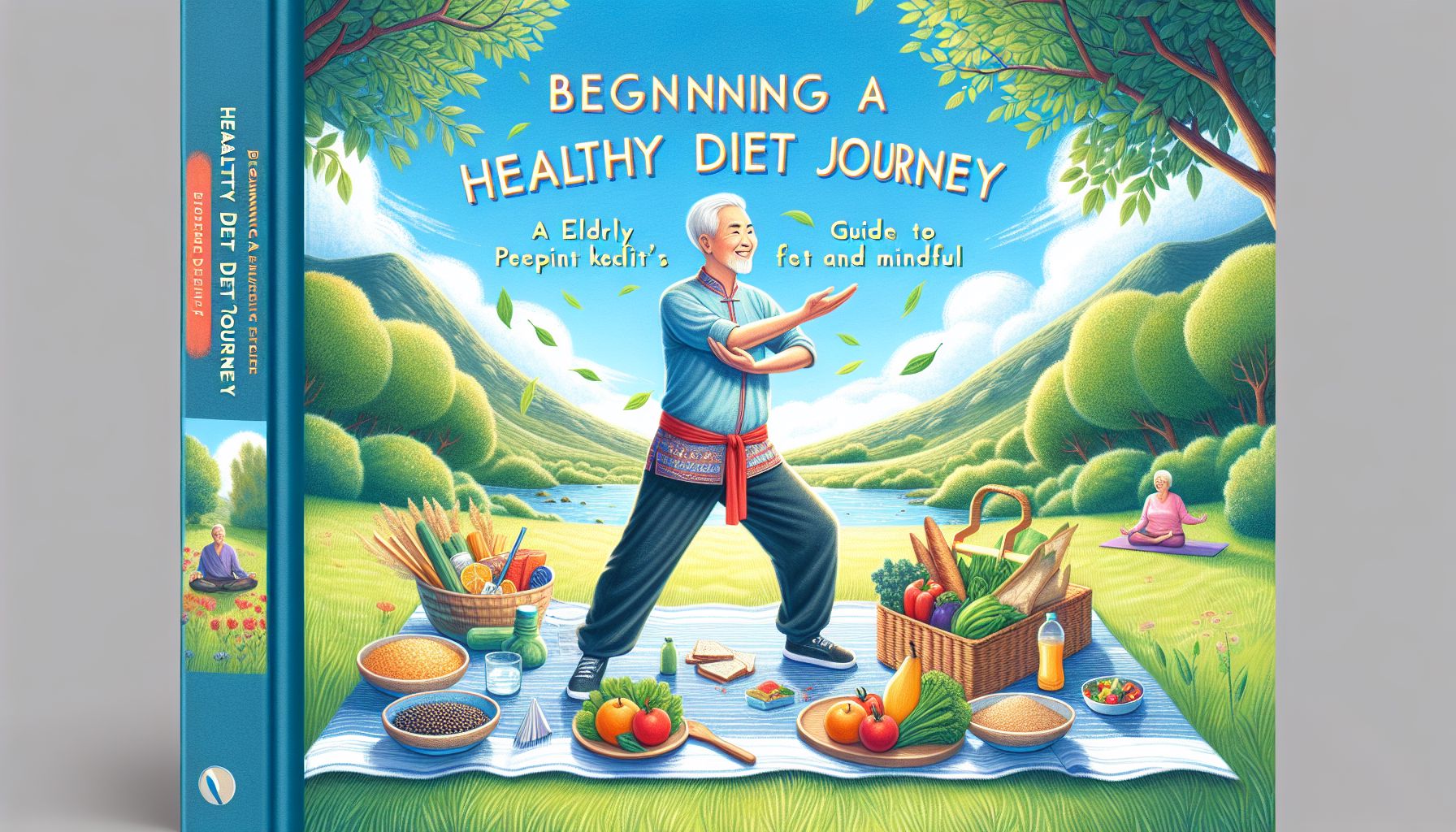
Beginning a Healthy Diet Journey: An Elderly Person’s Guide to Keeping Fit and Mindful
In the golden years of life, our nutritional needs become unique and change with physical age. Our body requires fewer calories and more nutrients to remain vibrant and healthy. Couple that with an increasing need to maintain mental wellness, and it’s clear that starting a diet—rather, a lifestyle change—is essential for the elderly. However, making such a shift does not come without its challenges. Navigating through it calls for patience, knowledge, and a pinch of determination. This article endeavors to guide you through this important life transition, focusing on starting your diet and staying with it while maintaining a healthy mind.
Understanding Your Nutritional Needs
As we age, our bodies’ nutritional requirements change. It’s no longer only about staying full, it’s about feeding your body with the right nutrients for optimal functioning. Incorporating foods rich in fiber, vitamins, and minerals is very vital for elderly health. It’s also crucial to reduce sugar, sodium, and unhealthy fat consumption. Understanding this will not only help you start your diet but stay with it as well. Remember, it isn’t about depriving yourself of your favorite foods—rather, it’s about creating a balance and ensuring your body is thriving.
Hands-on Tips to Starting a Healthy Diet
Now that we’ve grasped the why, let’s delve into the how. Here are some practical tips to help kickstart your journey:
1. Start Slow
Remember that going on a diet is a lifestyle change and not a temporary phase. Starting slowly helps your body adjust to these changes better. Instead of making massive sweeping changes, start by reducing harmful foods and gradually increasing healthier alternatives.
2. Eat a Variety of Foods
Including varieties of fruits, vegetables, lean proteins and whole grains in your diet helps cover all nutritional bases. All these offer different nutrient profiles and cater to our different health needs.
3. Stay Hydrated
As we age, our sensation of thirst may decrease, making it easy to forget to drink enough water. However, hydration is critical to overall health. Drinking herbal teas, low-sodium broths and eating hydrating fruits or vegetables can be helpful ways to keep up your fluid intake.
Staying the Course: Consistency is Key
Sticking to a diet can sometimes be even more challenging than starting it, especially when initial motivation begins to dwindle. This journey requires persistence and a positive outlook so you can keep moving forward even when the going gets tough.
1. Make it Enjoyable
Ensure that your new lifestyle does not feel like a punishment. Experiment with different healthy recipes and keeping challenging yourself will keep it fun and sustainable long term.
2. Build a Support System
Having a support system can be highly beneficial in maintaining a diet. This could be family members, friends or even a support group who have similar goals as you.
Dietary Health: A Balance of Mind and Body
A diet isn’t complete without considering mental health. Regular mindfulness activities such as meditation, contemplation or journaling will help keep your mind as healthy as your body. Remember that the mind and body are intertwined; one cannot function optimally without the other.
In Conclusion
Starting and maintaining a diet in your golden years can be a rewarding journey. The goal is not perfection, but progress. Nourishing your body with healthy food and keeping your mind active are the stepping stones to a bright and vibrant life in your later years. Go on, take that first step and embark on this healthy living journey; your future self will thank you for it.