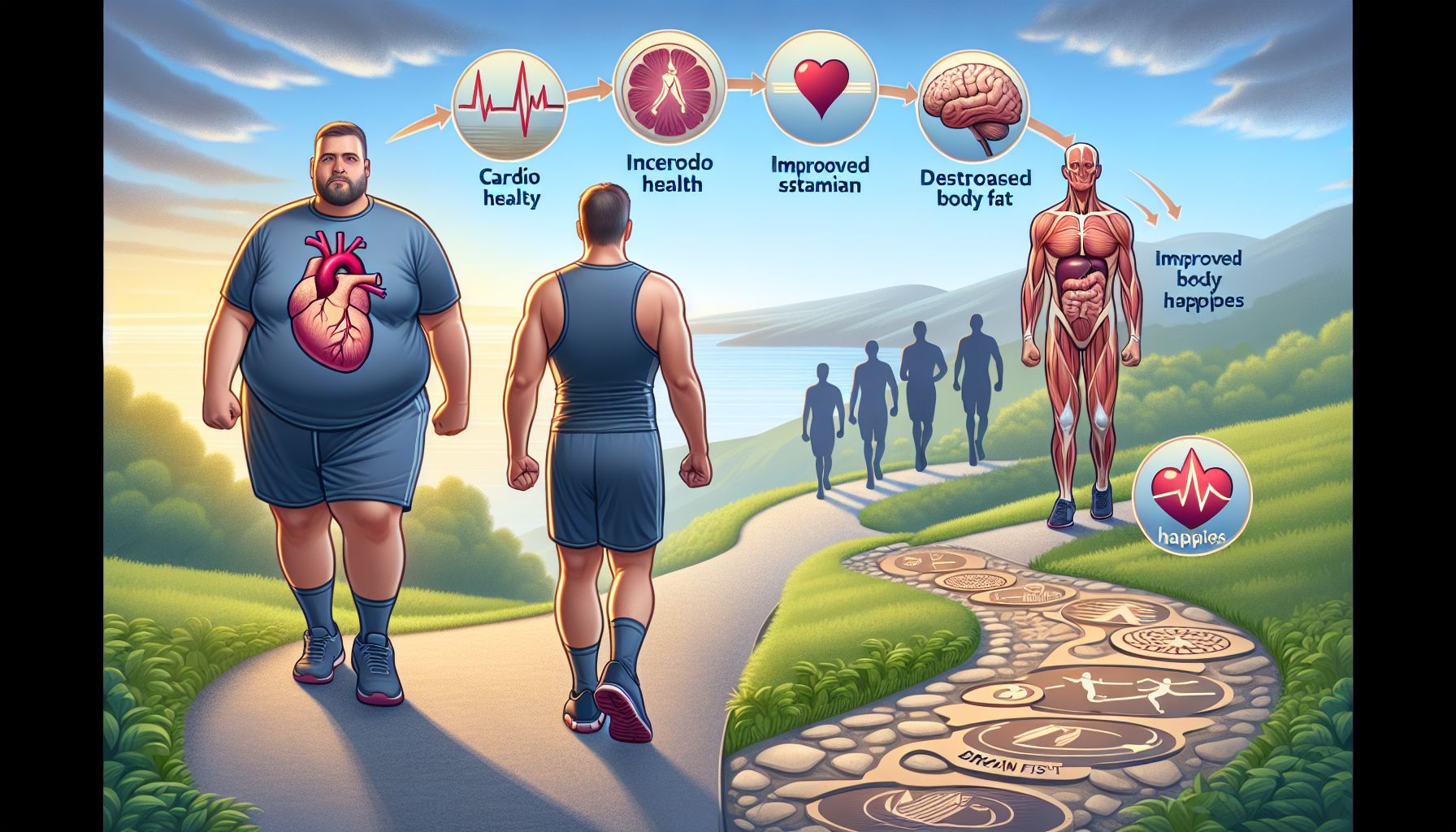
The Health Benefits of Walking for Overweight Individuals
In a society that values quick fixes and extreme measures for weight loss, the simple act of walking often gets overlooked. However, for overweight individuals, walking can be an incredibly effective way to improve both physical and mental health. In this article, we will explore the numerous health benefits of walking for those who are looking to lose weight and build healthier relationships with their bodies.
Physical Health Benefits of Walking
One of the most obvious benefits of walking for overweight individuals is weight loss. Walking is a low-impact exercise that can be easily incorporated into daily routines without the need for expensive equipment or gym memberships. By walking regularly, overweight individuals can burn calories, increase their metabolism, and ultimately shed unwanted pounds.
In addition to weight loss, walking also offers a host of other physical health benefits. Walking can improve cardiovascular health by lowering blood pressure and reducing the risk of heart disease. It can also help strengthen muscles, improve balance, and increase flexibility. For overweight individuals who may struggle with more strenuous forms of exercise, walking provides a gentle yet effective way to improve overall physical fitness.
Mental Health Benefits of Walking
Beyond the physical benefits, walking can also have a profound impact on mental health. Exercise releases endorphins, which are neurotransmitters that promote feelings of happiness and well-being. For overweight individuals who may struggle with body image issues or low self-esteem, walking can be a powerful tool for boosting mood and increasing self-confidence.
Walking can also provide a sense of relaxation and stress relief. Taking a leisurely walk outdoors can help overweight individuals connect with nature, clear their minds, and reduce feelings of anxiety or depression. Additionally, walking with a friend or loved one can foster a sense of community and social connection, which is crucial for overall mental well-being.
Building Healthy Relationships with Exercise
For overweight individuals, building a healthy relationship with exercise is essential for long-term weight management and overall well-being. Unlike fad diets or extreme workout regimens, walking is a sustainable form of exercise that can be maintained over the long term. By incorporating walking into daily routines, overweight individuals can establish a healthy, consistent exercise habit that is both enjoyable and effective.
Walking also offers a sense of freedom and independence. Unlike structured gym workouts or fitness classes, walking allows individuals to choose their own pace, route, and duration. This sense of autonomy can empower overweight individuals to take control of their health and fitness goals in a way that feels manageable and achievable.
Conclusion
In conclusion, walking is a simple yet powerful tool for overweight individuals looking to improve their physical and mental health. By incorporating walking into daily routines, overweight individuals can experience weight loss, improved cardiovascular health, and increased muscle strength. Additionally, walking can boost mood, reduce stress, and foster a sense of community and connection.
For those who are overweight, building a healthy relationship with exercise is crucial for long-term success. Walking offers a sustainable, enjoyable form of exercise that can be easily maintained over time. By embracing the numerous health benefits of walking, overweight individuals can take a positive step towards achieving their weight loss goals and building healthier relationships with their bodies.