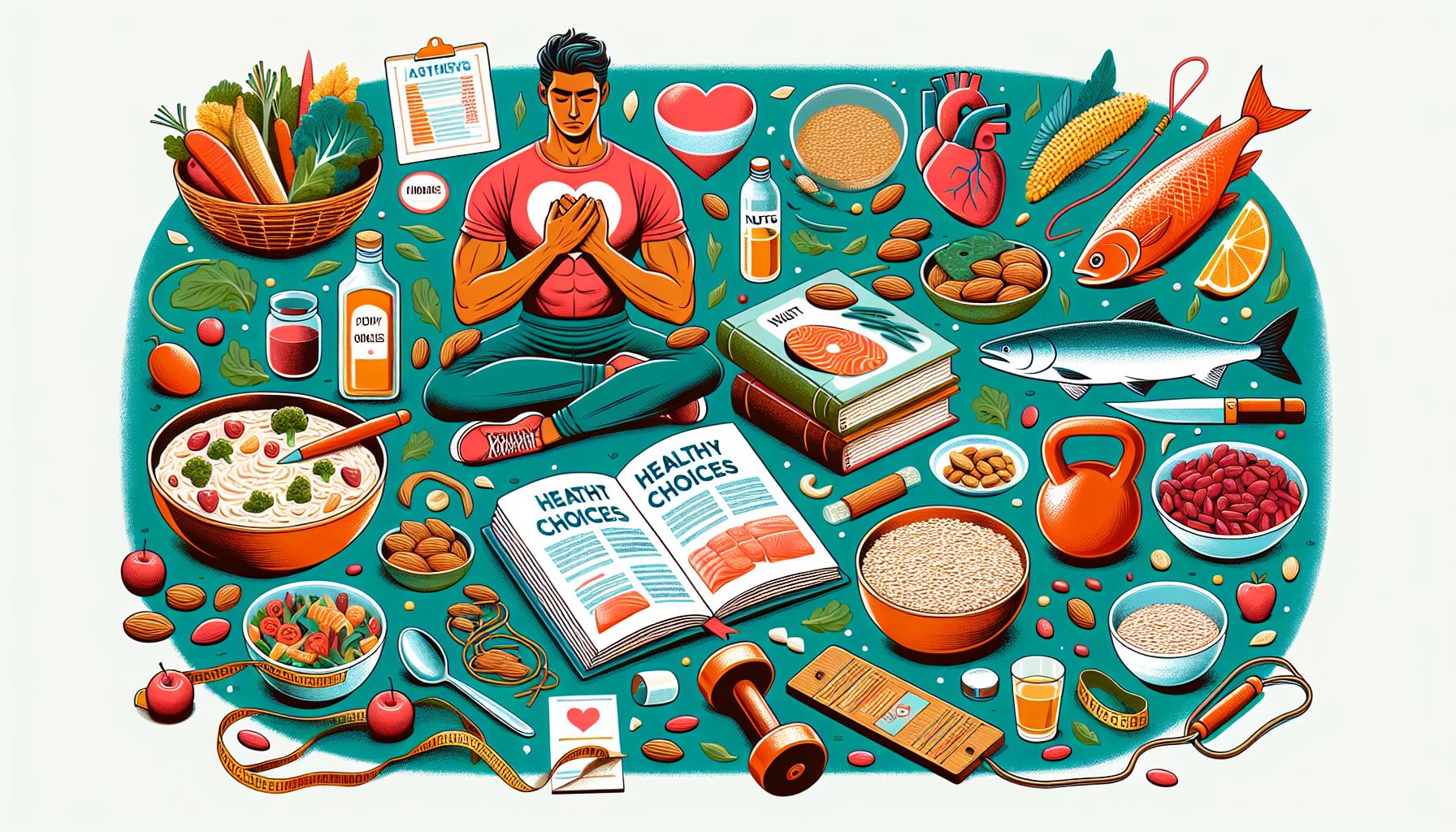
What to Eat if You Have High Cholesterol: A Guide for Active Individuals
High cholesterol is a common health concern that can lead to serious complications if not properly managed. For those who lead an active lifestyle, maintaining a healthy diet is essential for keeping cholesterol levels in check. By making smart food choices, you can not only lower your cholesterol but also support your overall health and well-being. In this article, we will explore what to eat if you have high cholesterol, focusing on foods that are beneficial for active individuals.
Importance of Diet for High Cholesterol
Before diving into specific foods, it’s important to understand the role of diet in managing high cholesterol. While genetics and other factors play a role, diet can significantly impact cholesterol levels. By choosing the right foods, you can lower “bad” LDL cholesterol and raise “good” HDL cholesterol, reducing your risk of heart disease and other complications.
For active individuals, diet is even more crucial, as it provides the fuel needed to support high-energy activities. By incorporating cholesterol-lowering foods into your diet, you can not only improve your heart health but also enhance your performance and recovery.
Foods to Include in Your Diet
-
Oats: Starting your day with a bowl of oatmeal can help lower cholesterol levels thanks to its high soluble fiber content. Oats can also provide sustained energy for your workouts, making them an ideal choice for active individuals.
-
Fatty Fish: Rich in omega-3 fatty acids, fatty fish like salmon, mackerel, and sardines are beneficial for heart health. These fats can help lower triglycerides and reduce inflammation, supporting both cardiovascular health and athletic performance.
-
Nuts and Seeds: Almonds, walnuts, chia seeds, and flaxseeds are excellent sources of heart-healthy fats, fiber, and antioxidants. Snacking on these nutrient-rich foods can help lower cholesterol levels and provide a quick energy boost.
-
Legumes: Beans, lentils, and chickpeas are high in soluble fiber and protein, making them a great addition to a cholesterol-lowering diet. These plant-based proteins can help keep you full and satisfied, supporting weight management and overall health.
-
Fruits and Vegetables: Colorful fruits and vegetables are packed with antioxidants, vitamins, and minerals that can help lower cholesterol and reduce inflammation. Aim to include a variety of produce in your meals to maximize their health benefits.
-
Whole Grains: Opt for whole grains like brown rice, quinoa, and whole-wheat bread over refined grains to boost your fiber intake and support heart health. These complex carbohydrates can provide sustained energy for your workouts and aid in cholesterol management.
Conclusion
If you lead an active lifestyle and have high cholesterol, making smart food choices is key to managing your condition and supporting your overall health. By incorporating cholesterol-lowering foods like oats, fatty fish, nuts, legumes, fruits, vegetables, and whole grains into your diet, you can improve your heart health and enhance your athletic performance.
Remember to maintain a balanced diet that includes a variety of nutrient-rich foods, stay hydrated, and listen to your body’s hunger and fullness cues. By fueling your body with the right foods, you can not only lower your cholesterol but also care for your body and support your active lifestyle. Take control of your health by making small changes to your diet and enjoy the benefits of improved cholesterol levels and overall well-being.